Introduction
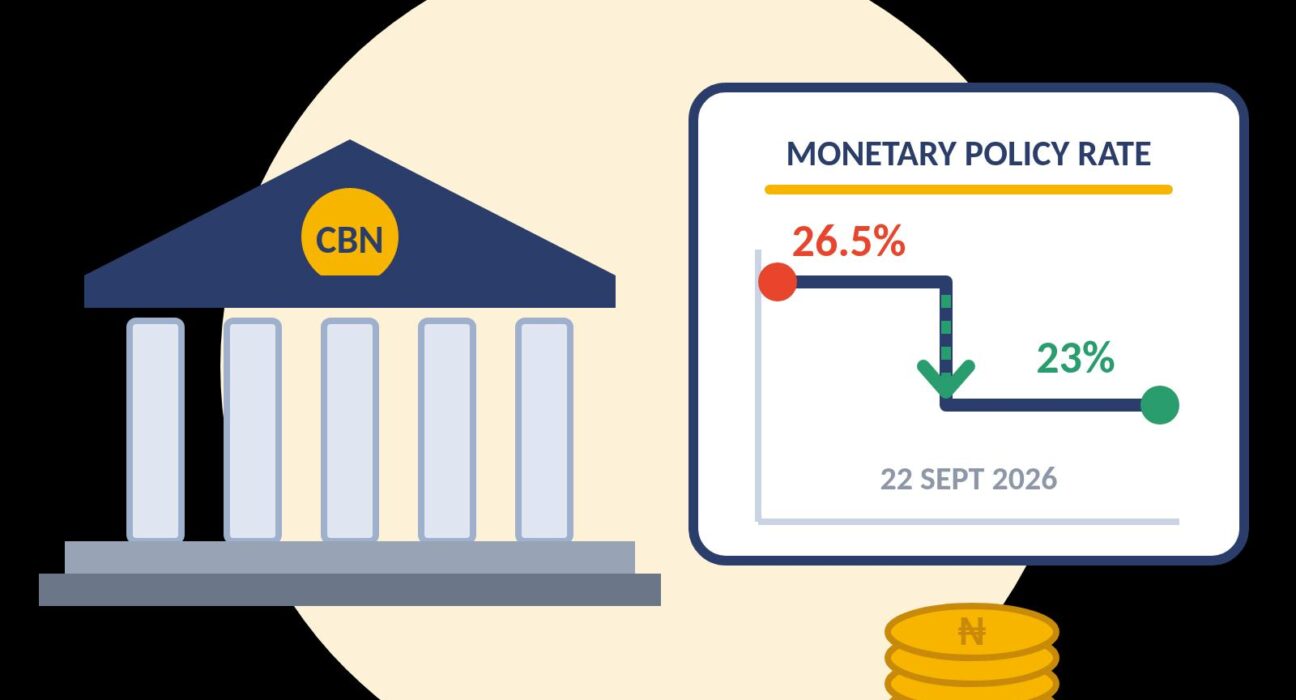
On 22 September 2026, the Monetary Policy Committee (MPC) of the Central Bank of Nigeria (CBN) reduced the Monetary Policy Rate (MPR) from 26.5% to 23%.
The MPR is CBN’s benchmark interest rate and helps to influence borrowing costs and investment returns across the economy. The reduction could therefore contribute to lower interest rates for businesses, government and other borrowers over time. It could also affect the returns investors receive on interest-bearing investments.
However, a lower MPR does not mean that bank lending rates will immediately fall to the same extent. The impact will depend on how banks and financial markets respond.
Key Highlights
- Interest rates are moving down: The September reduction follows an earlier cut in February 2026. Together, the decisions indicate a move towards lower interest rates after a period in which the CBN maintained higher rates to manage inflation.
- Borrowing could gradually become less expensive: If banks respond by reducing their lending rates, businesses and other borrowers may begin to see lower financing costs. The timing and extent of any reduction will vary between lenders and borrowers.
- Investment returns may also change: Falling interest rates can reduce the returns available on government securities, bonds and some other interest-bearing investments. Investors may therefore reconsider where and how they invest their funds.
- The decision comes as economic conditions improve: Inflation eased slightly in August 2026, the economy recorded stronger growth in the second quarter of the year, and Nigeria’s external reserves increased. These developments formed part of the economic backdrop to the CBN’s decision.
What This Means for Stakeholders
- For businesses and borrowers: Businesses considering new financing may have an opportunity to access credit at more favourable rates if lending costs begin to fall. Existing borrowers may also want to review the terms and pricing of their facilities as rates change.
- For investors: A lower interest-rate environment may change the returns available across different investments. Investors should consider how changes in rates affect their investment objectives and the balance of their portfolios.
- For government and public institutions: If lower interest rates are reflected in the cost of government borrowing, government may be able to raise funds at lower cost. This could affect the cost of servicing public debt and the funding of public programmes and infrastructure.
- For banks and other lenders: Lenders will need to consider the changing interest-rate environment when pricing loans and making decisions about how available funds are deployed.
The Road Forward
The CBN’s decision creates the possibility of lower borrowing costs, but the effect may not be immediate or uniform. Banks may still consider factors such as the borrower’s risk profile, their own cost of funds and wider economic conditions when setting lending rates.
The coming months will therefore show how much of the rate reduction reaches businesses, consumers and government. Borrowers should watch for changes in lending rates, while investors and public institutions should assess how a lower-rate environment may affect investment returns and funding decisions.
For guidance on public finance, government borrowing, public-sector funding and related fiscal and regulatory matters, contact info@scp-law.com or visit www.scp-law.com.