
Introduction
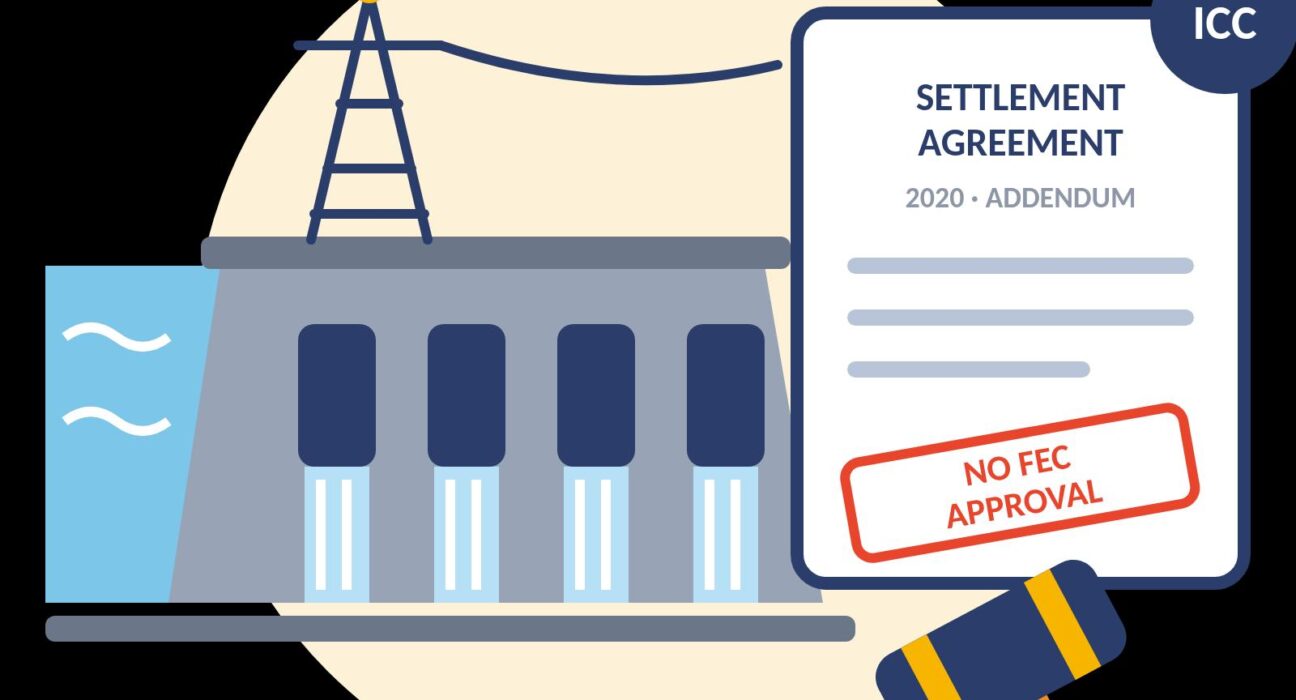
On 17 September 2026, an International Chamber of Commerce (ICC) tribunal issued an award in favour of the Federal Republic of Nigeria in an arbitration brought by Sunrise Power and Transmission Company Limited over the Mambilla Hydroelectric Power Project.
The arbitration arose from a 2020 Settlement Agreement and subsequent Addendum intended to resolve an earlier dispute over the project. Sunrise sought payment under the settlement, together with interest, but the tribunal rejected the claim.
The decision provides useful lessons for businesses involved in commercial disputes, particularly on settlement agreements, authority to settle and the scope of arbitration clauses.
Key Highlights
- The settlement was not enforceable against Nigeria: Companies must ensure that any contract with a Federal Ministry, Department or Agency has Federal Executive Council approval, Ministerial Tenders Board approval and complies with the Public Procurement Act. A letter of award or ministerial assurance without FEC backing is assailable and may be declared void and unenforceable at arbitration
- The arbitration extended to Sunrise’s promoter: The tribunal found that Sunrise’s promoter was personally bound by the arbitration agreement in the settlement documents. This allowed Nigeria to pursue a counterclaim against him, although the damages claim was reportedly unsuccessful.
- The case resulted in substantial costs: Sunrise and its promoter were ordered to bear 75% of Nigeria’s legal fees and expenses, with the amount payable reported at approximately US$11.82 million. They were also ordered to bear 75% of the arbitration costs.
What This Means for Stakeholders
- For businesses settling disputes: Before signing a settlement, parties should confirm that each signatory has the authority to enter into the agreement and that all necessary corporate, governmental or regulatory approvals have been obtained. Otherwise, a settlement intended to end a dispute may itself become the subject of further proceedings.
- For contractors dealing with government: Government contracts and settlements may require approvals beyond the signature of the official negotiating the agreement. Contractors should establish what approvals are required and retain evidence that they have been obtained.
- For companies, directors and promoters: Settlement agreements should clearly identify the parties and the capacity in which each person signs. Particular attention should be given to the arbitration clause so that it is clear who has agreed to arbitrate and who may be brought into any future proceedings.
- For parties considering arbitration: The potential cost of proceedings should be considered alongside the value and strength of the claim.
The Road Forward
A settlement is intended to bring a dispute to an end. Parties should therefore ensure that the agreement is properly authorised, all required approvals have been obtained, and its terms clearly identify what has been settled, who is bound and how any future dispute will be resolved.
These checks are particularly important in long-running disputes and major projects involving several parties or public institutions. Addressing them before a settlement is signed can reduce the risk of a further dispute over the agreement itself.
For legal advisory on commercial disputes, arbitration, settlement strategy and disputes arising from commercial agreements, contact us at info@scp-law.com or visit www.scp-law.com.