
Introduction
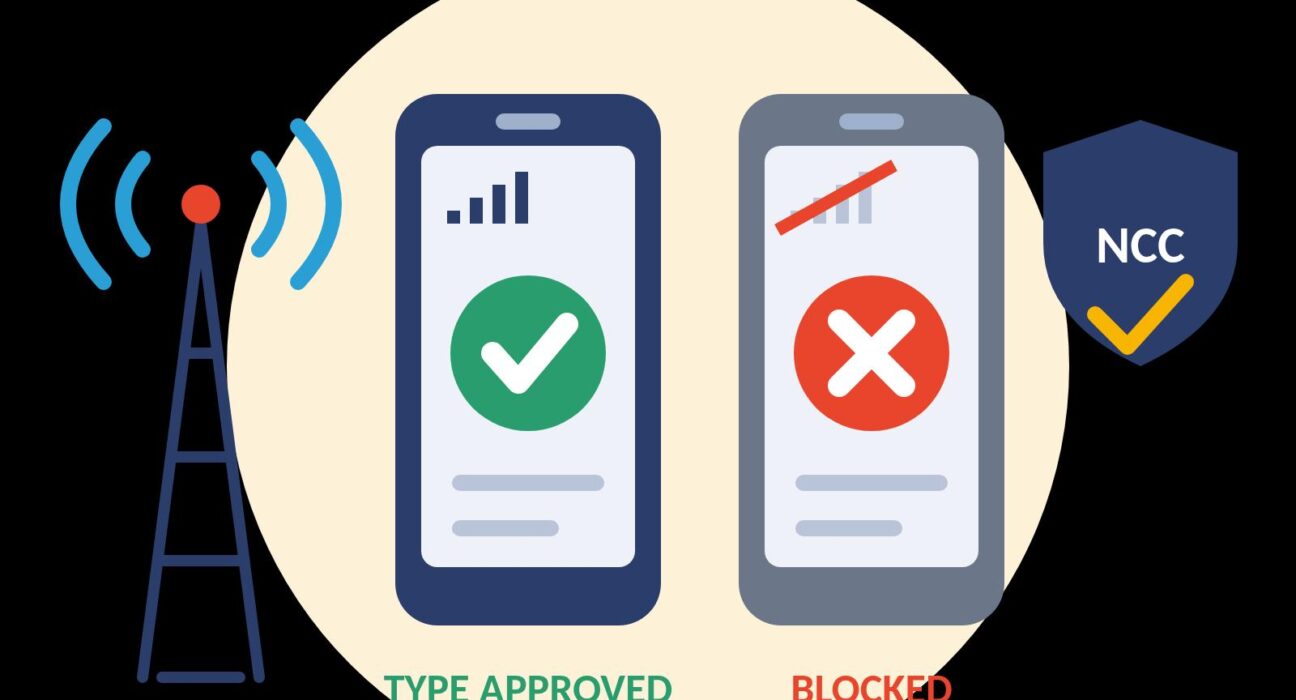
On 9 September 2026, the Nigerian Communications Commission (NCC) announced a technology-enabled framework for monitoring compliance with its approval requirements for mobile phones and other SIM-enabled communications devices.
The framework strengthens the NCC’s ability to identify devices that have not received the required approval and prevent non-compliant devices from operating on Nigerian telecommunications networks.
The significance extends beyond device importation and sale. Where mobile devices form part of a financing, leasing, procurement or other commercial arrangement, the ability of those devices to access Nigerian networks may affect their value, usability and the risks assumed by the parties to the transaction.
Key Highlights
- Type Approval is not new, but enforcement is changing: Communications equipment must already receive NCC Type Approval before being sold or used in Nigeria. The new framework introduces a technology-enabled means of identifying whether SIM-enabled devices meet the applicable requirements.
- Approval applies before devices enter the market: Manufacturers, vendors and other eligible businesses can apply to the NCC for Type Approval of the relevant device model by providing the prescribed application and supporting technical information.
- Individual devices can now be identified: The framework uses the unique identification number assigned to a mobile device, commonly called its IMEI number, to support the identification of compliant and non-compliant devices.
- Non-compliance can affect functionality: Devices that do not meet the applicable requirements may be prevented from accessing Nigerian networks. This means regulatory status can directly affect whether an asset remains usable for its intended purpose.
- Existing devices are also being brought within the framework: The initial implementation phase involves manufacturers, importers, the Nigeria Customs Service and market associations, including the onboarding of existing inventory and authentication of future imports.
What This Means for Transactions
- Financing and leasing: Where devices are financed or leased, their approval status may affect asset value, repayment assumptions and recovery options. Due diligence should therefore extend beyond ownership and condition to regulatory status.
- Large-scale procurement: Businesses acquiring devices for employees, customers or operational use should consider including evidence of NCC approval in procurement requirements, particularly where significant volumes are involved.
- Commercial contracts: Supply, distribution and leasing agreements should allocate responsibility where devices are rejected, blocked or otherwise unable to operate because of regulatory non-compliance. Appropriate warranties, indemnities and termination rights may also need to be considered.
- Transaction due diligence: Acquisitions or investments involving businesses with significant device inventories may require review of Type Approval and registration records as part of regulatory and asset due diligence.
The Road Forward
As the NCC extends implementation of the framework, businesses involved in transactions concerning SIM-enabled devices will need greater visibility over the approval status of the assets they are acquiring, financing or deploying.
For transactions involving significant device portfolios, this may mean building Type Approval and registration checks into due diligence, procurement requirements and transaction documentation, with clear contractual protections where devices do not meet the applicable requirements.
For guidance on specialised transactions, asset financing and leasing, technology transactions, regulatory due diligence and transaction structuring, contact info@scp-law.com or visit www.scp-law.com.