Introduction
On 23 September 2026, the Securities and Exchange Commission (SEC) issued a directive on the implementation of the International Financial Reporting Standards (IFRS) Sustainability Disclosure Standards in Nigeria, marking a further step towards making sustainability information part of formal corporate reporting.
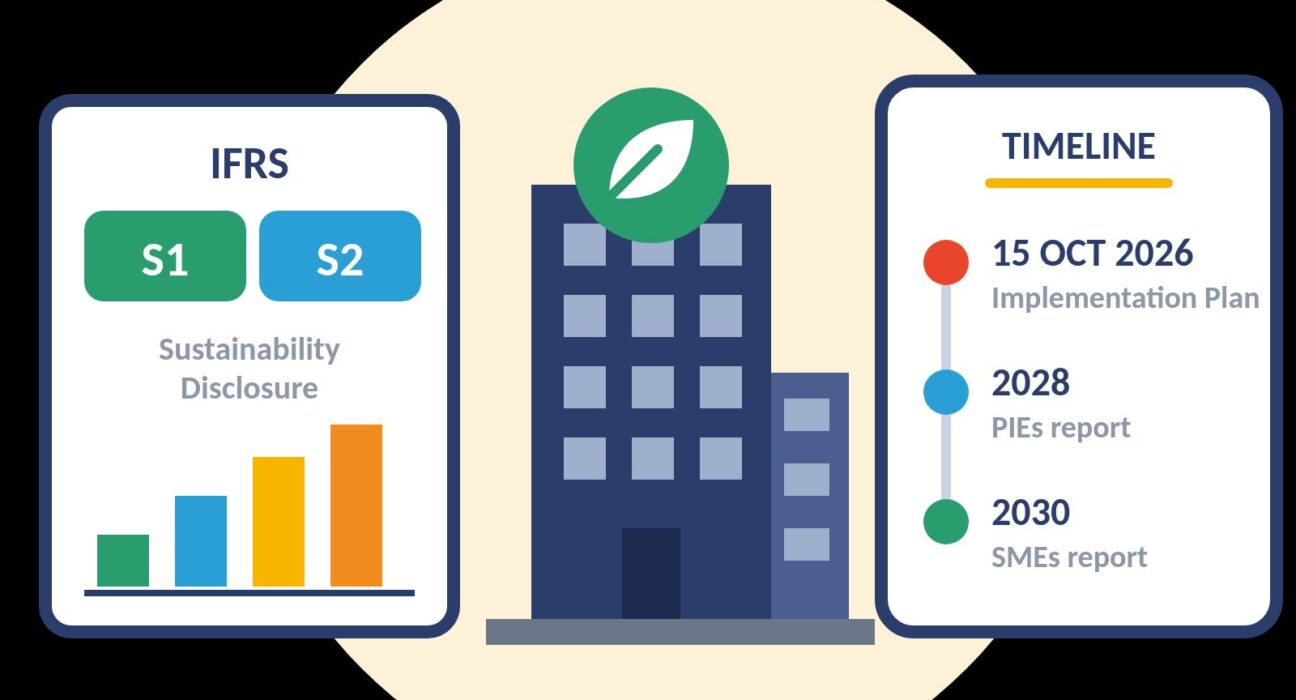
The standards provide a framework for companies to report sustainability-related risks and opportunities that could affect their financial prospects. IFRS S1 addresses sustainability-related financial information generally, while IFRS S2 focuses specifically on climate-related matters.
For Nigerian companies, the development reflects a broader shift in sustainability reporting: from what was often treated as a voluntary corporate social responsibility exercise to an increasingly important part of corporate reporting, governance and accountability.
Key Highlights
- Who is affected: Mandatory reporting begins in 2028 for Public Interest Entities, including public companies and certain major capital-market operators, such as Exchanges, clearing houses and central securities depositories. SMEs become subject to mandatory adoption from 2030.
- What needs to happen now: The Implementation Plan must address board oversight, gaps in existing reporting capabilities, implementation timelines, data collection, internal controls, training and anticipated challenges.
- Earlier adoption is possible: Entities not yet required to report may voluntarily adopt the standards before mandatory reporting begins.
- The SEC will monitor implementation: The Commission will monitor compliance with the implementation timetable as part of its oversight of financial reporting and corporate governance.
What This Means for Companies and Transactions
- For boards and management: Companies will need clear responsibility for sustainability reporting and appropriate systems for collecting and verifying the relevant information. This may require reviewing the responsibilities of existing board committees and management teams rather than treating sustainability reporting as a standalone compliance function.
- For companies preparing for 2028: Preparation should include identifying what information is already available, addressing gaps and ensuring that reporting systems and internal controls can produce reliable information. Starting early also gives companies time to address weaknesses before the information becomes part of formal reporting.
- For buyers and investors: Sustainability-related information may increasingly form part of transaction due diligence. This could include examining a target’s sustainability risks and whether its systems and controls can produce reliable information. Weaknesses identified during this process may affect the assessment and structuring of a transaction.
- For transaction documents: Where due diligence identifies significant sustainability-related risks or reporting weaknesses, parties may need to address them through disclosures, representations and warranties, covenants, conditions precedent or, where appropriate, indemnities.
The Road Forward
The immediate priority for affected entities is the 15 October 2026 Implementation Plan. Companies should use the process to identify gaps, allocate responsibility and establish the systems and controls required ahead of mandatory reporting.
The implications also extend to corporate transactions. As sustainability information becomes part of formal corporate reporting, it may increasingly influence how businesses are assessed in investments, acquisitions and financing transactions. Companies preparing for a transaction should therefore consider whether their sustainability information and supporting records can withstand due diligence scrutiny.
For further guidance on corporate governance, regulatory compliance, mergers and acquisitions, transaction due diligence and corporate transactions. For further information, contact info@scp-law.com or visit www.scp-law.com.